
If you’re looking for a simple, natural alternative to commercial cleaners, a lemon vinegar cleaner is one of the easiest DIY sprays you can make at home. Made with citrus peels and white vinegar, this non-toxic cleaner cuts through grease, removes dirt, and leaves a fresh scent behind — without artificial fragrances or harsh chemicals.
Whether you want to clean countertops, windows, bathroom surfaces, or even degrease pots and pans, this homemade citrus vinegar cleaner is budget-friendly, effective, and uses ingredients you may already have.

Every year our Meyer lemon tree gives us hundreds (yes, hundreds!) of pounds of lemons. Lemon season is one of our favorite seasons!
We use some fresh but we also juice and freeze a LOT of juice. Then we take the peels of the juiced lemons and make a diy citrus cleaner. I love making something useful from waste.
But you don’t need your own citrus tree to make citrus cleaner, just collect the peels from any citrus you use…lemons, oranges, grapefruit…they all work the same.
Why Lemon Vinegar Cleaner Works
White vinegar is a mild acid (acetic acid) that helps dissolve mineral deposits, grime, and buildup on many household surfaces. When you infuse vinegar with lemon peels, the citrus oils help:
- Boost cleaning power (the oils can break down grease)
- Add a fresh scent to mask the strong vinegar smell
- Cut through sticky residues more effectively than plain vinegar alone
Using homemade citrus cleaner is especially popular for natural cleaning because it’s inexpensive, biodegradable, and safe for most hard-surface areas.
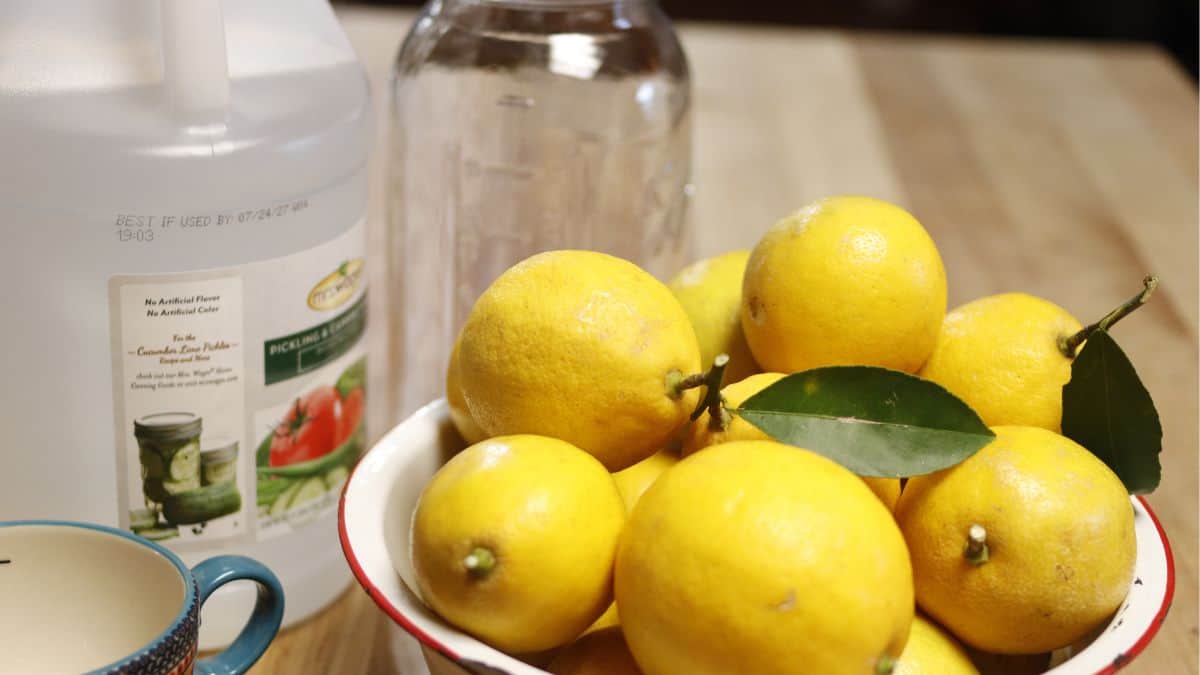
What You’ll Need
There’s not much you need in order to make homemade citrus cleaner, in fact, you probably already have everything you need.
You can make a small batch or a large batch. We usually use a half-gallon mason jar with a plastic storage lid. If you don’t have enough lemon peels to fill a jar at one time, don’t worry about it. You can always add more citrus peels over the next few days.
- Peels from 10-12 lemons(or a mix of citrus peels)
- White distilled vinegar (enough to cover the peels)
- A glass jar with lid
- A spray bottle
- Optional: essential oils (lemon, orange, tea tree) for added scent
Pro Tip: Vinegar can corrode metal over time, so use a plastic lid (not a metal canning lid) to seal the jar.
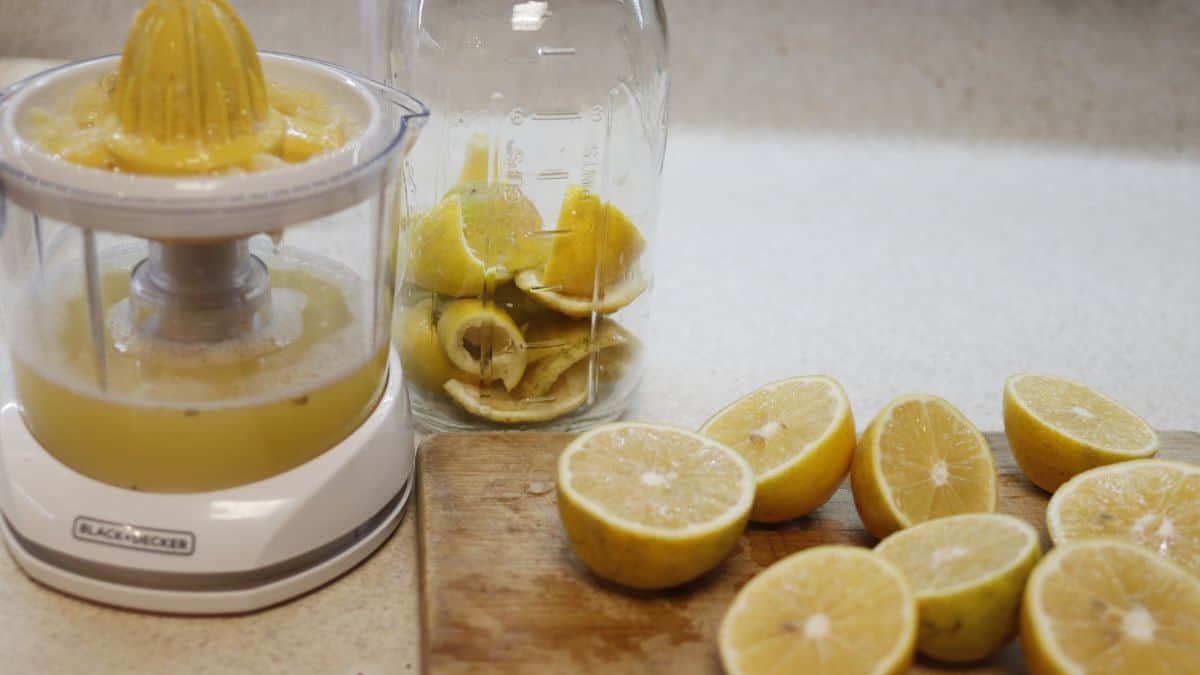
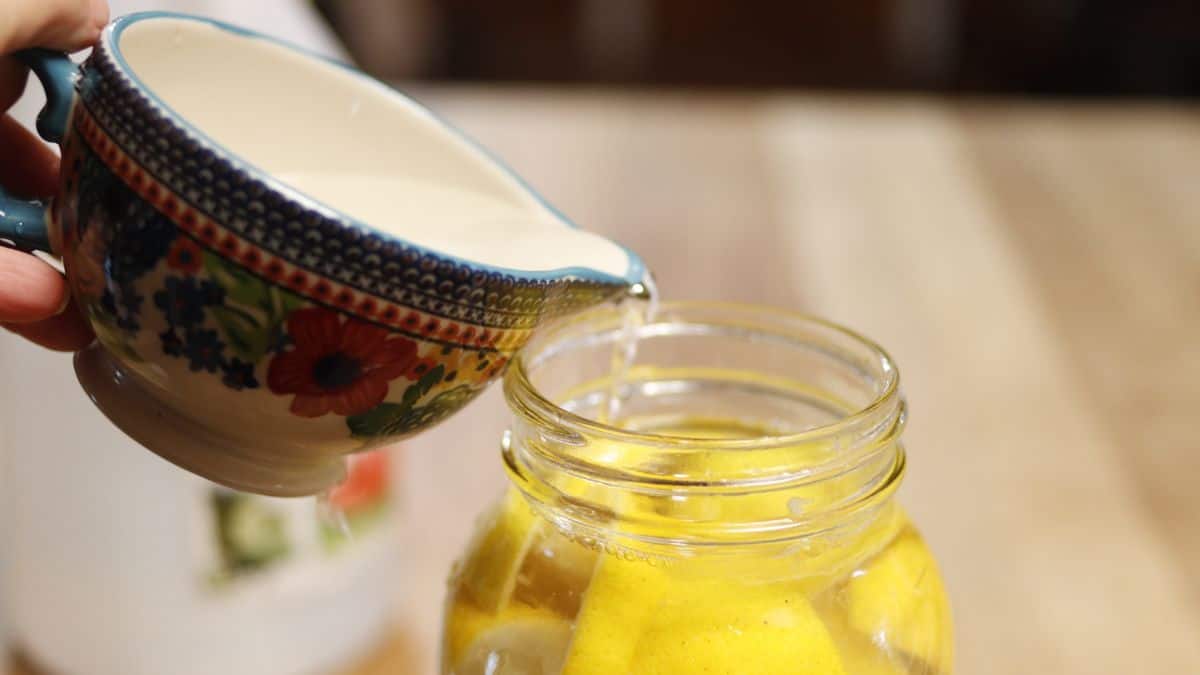
Step-by-Step: Make Your Lemon Vinegar Cleaner
- Collect Citrus Peels
Save the peels from lemons (or oranges/limes/grapefruit). It’s totally fine if the pith (the white membrane) is on the peels. It doesn’t add or take away from the effectiveness of the cleaner, so I wouldn’t spend time removing it. I also don’t worry about any of the few seeds or pulp that might be in the peels when I’m done juicing them. (my favorite citrus juicer) - Fill a Jar with Peels
Place the citrus peels in a clean glass jar. Pack them in so they mostly fill the space. It’s okay if you need to do this over a few days. - Add White Vinegar
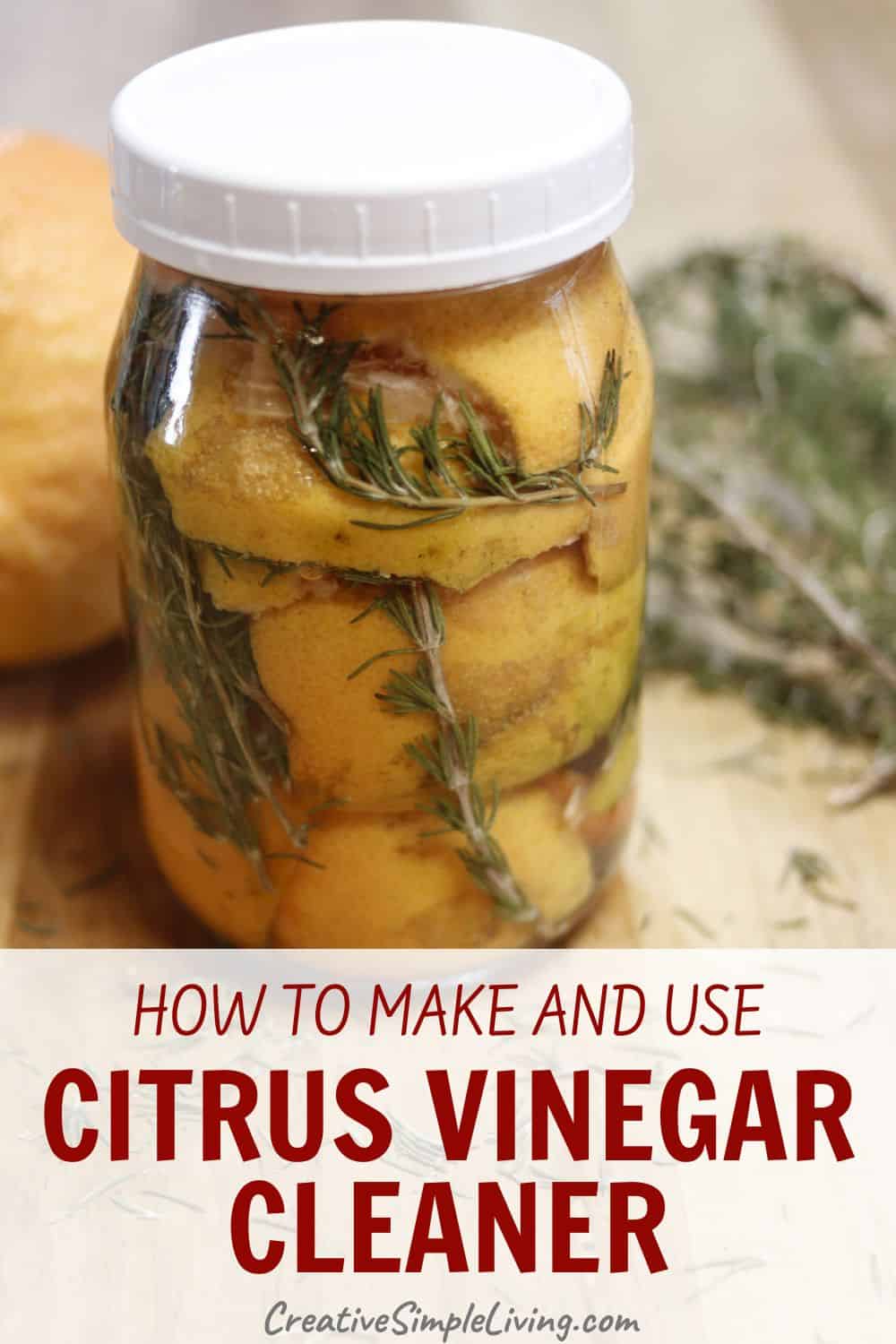
Pour white distilled vinegar over the peels until they are completely submerged. Put the lid on. If it’s going to take you a few days to fill the jar with peels, go ahead and pour vinegar over the peels you have. This will keep the peels from molding while you gather enough to fill the jar. - Infuse for 2–3 Weeks
Let the jar sit in a cool, dark area for about 2–3 weeks, shaking it gently a few times. This gives the vinegar time to absorb the citrus oils. - Strain the Mixture
After infusing, pour the liquid through a fine strainer or cheesecloth into a bowl or measuring cup. Discard the used peels. A French press work well for pressing out all the citrus oil, you’ll just need to work in smaller batches. - Dilute and Bottle
Transfer the strained lemon vinegar into a spray bottle. For general cleaning, you can use it at full strength or dilute 1:1 with water if desired. - Optional Scent Boost
Add a few drops of lemon essential oil (or orange) to enhance fragrance and cleaning power.
How to Use Lemon Vinegar Cleaner
This DIY lemon vinegar spray works great for:
- Wiping down kitchen counters (non-stone surfaces)
- Removing soap scum in showers
- Cleaning toilets and bathroom sink
- Degreasing stovetops and painted cabinet fronts
- Wiping down appliances
- Freshening cutting boards (followed by rinsing)
- Cleaning chicken coop
How to use: Spray directly onto the surface and wipe with a damp cloth. For tough spots, let it sit 1–2 minutes before wiping.
Note: Vinegar (and citrus oil) can etch stone, strip wax, corrode metal, damage electronics and degrade rubber. Therefore, DON’T use vinegar-based cleaners on…
- natural stone (granite, marble, travertine)
- waxed wood
- cast iron
- aluminium
- electronic screens
- rubber seals
- other porous material, such as grout
Frequently Asked Questions
Is lemon vinegar cleaner safe?
Yes — for most non-porous surfaces like tile, laminate, and metal. Avoid natural stone, waxed wood, or surfaces sensitive to acids. With the addition of the citrus oils, lemon vinegar cleaner might leave streaks on glass and mirrors.
Will it disinfect?
Vinegar is antibacterial but not a registered disinfectant like bleach or commercial disinfectants. It’s great for everyday cleaning but not for sanitizing areas where strict sanitation is required ( like cutting boards with raw meat residues).
Can I use the leftover citrus peels again?
Once infused, the peels no longer have much cleaning power and can be composted.
Can I speed up the infusion?
Some people use a warm water bath to accelerate infusion, but allowing 2–3 weeks at room temperature gives the best oil extraction.
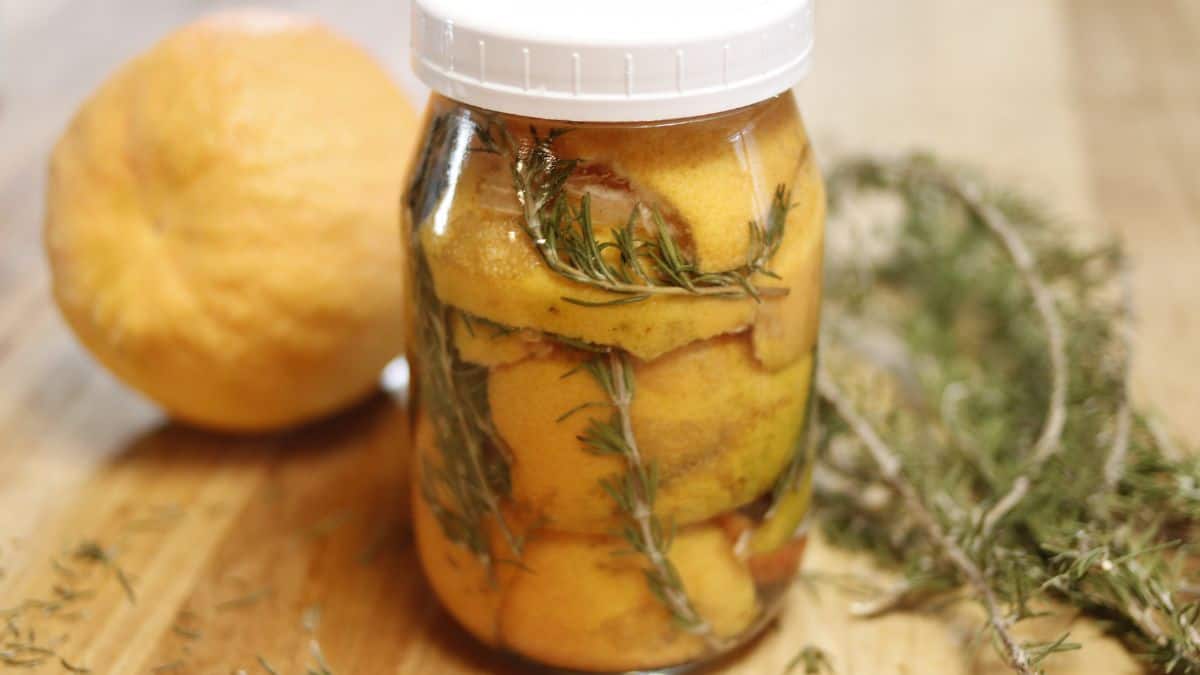
Helpful Variations
- All-Citrus Vinegar Cleaner: Use a mix of lemon, orange, lime and/or grapefruit peels for a complex fresh scent.
- Herbal Citrus Cleaner: Add sprigs of rosemary, basil or mint mint during infusion for a natural herbal aroma.
- Stronger Degreaser: Add a few drops of tea tree oil or grapefruit seed extract for added grease-cutting. (Tea tree also has mild antimicrobial properties.)
This homemade lemon vinegar cleaner is inexpensive, effective, and easy to make from peels you might otherwise throw away. Because it’s free of harsh chemicals, it’s great for everyday cleaning and a perfect project if you’re simplifying your homecare routine.
Tried this recipe? Please leave a ⭐️⭐️⭐️⭐️⭐️ star rating in the recipe card below and/or a review in the comment section further down the page. We always appreciate your feedback. You can also save the recipe for later by pinning it or clicking on the heart in the lower right hand corner.

Homemade Lemon Vinegar Cleaner
Make your own citrus cleaner with just two ingredients....lemons and vinegar. You can actually use any citrus to make this cleaning spray so feel free to experiment.
Materials
- Rinds from 12-15 lemons, or other citrus scraps – organic if possible
- White vinegar
- Optional: fresh aromatic, antiseptic herbs such as lavender, mint, rosemary, sage, or thyme
Tools
- Half-gallon jar
- Fine-mesh strainer and/or cheesecloth
- Spray bottle
Instructions
- Collect citrus peels in a large jar or bucket. It might take you several days to gather enough to fill the jar. If it takes longer than 3-4 days, pour vinegar to cover them and add more vinegar when you add more peels.
- Pour enough vinegar over the peels until it covers them.
- Let the peels steep in the vinegar for at least a week and up to 3 weeks.
- Once the peels are finished steeping, strain the peels out using a fine mesh strainer. I like to strain the citrus cleaner twice just to make sure I've gotten all the small particles out.
- Pour the citrus vinegar into a spray bottle using a funnel if needed and label.
To Use Citrus Cleaner:
- Spray the citrus cleaner onto countertops, doors and door knobs, floor, and walls just as you would a commercial cleaner. Let sit for a couple of minutes before wiping off with a damp cloth.
- Do not use vinegar citrus cleaner on granite, marble, or other sensitive stone surfaces. Don't use it on wood furniture or natural wood floors. However, it can be used on cutting boards.
Recommended Products
As an Amazon Associate and member of other affiliate programs, I earn from qualifying purchases.
-
 Aibless Stainless Steel Funnel Set for Kitchen Use, Canning Funnel Stainless Steel Set of 3
 -
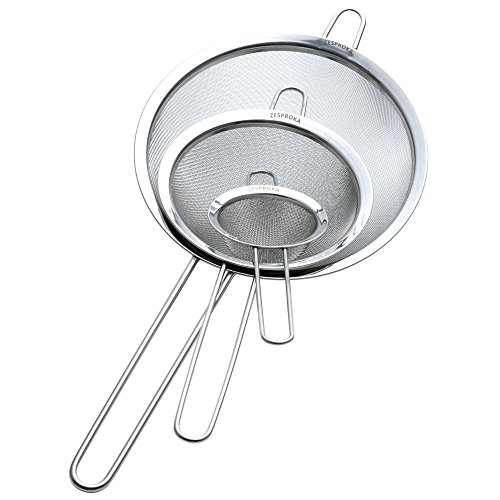
Zesproka ZP129 Set of 3 Stainless Steel Fine Mesh Strainers for Kitchen, 3.26", 5.78", 7.75", Silver
-
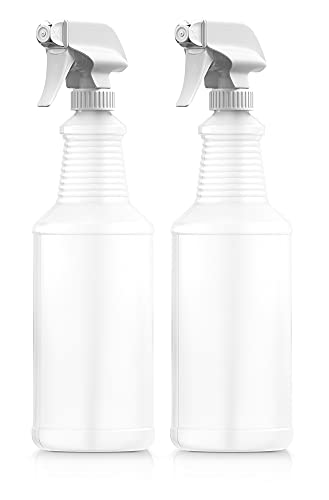
BAR5F Plastic Spray Bottles, 32 oz | Leak Proof, Empty, Adjustable Sprayer, Refillable, Made in USA, Dishwasher Safe | Water Plants, Cleaning Solutions, Hair Mist | 2 Pack


Angi Schneider is the author of The Ultimate Guide to Preserving Vegetables and Pressure Canning for Beginners and Beyond, both published by Page Street Publishing. She has taught canning classes for 177 Milk Street, been featured in Serious Eats, and written for Countryside Magazine. Angi has been sharing gardening, preserving, and simple living skills since 2010.
Great post! Lemons are so much more useful than I’d have ever thought. Instead of tossing the lemon halves after squeezing them, I hold onto them. You can just rub them directly on a counter to help clean or get a stain out 🙂 Pinning for later!
oh, I forgot you can do that, Krystyna. Thanks for the reminder.
Wow, that’s using a lemon till it screams!
Kathi at Oak Hill Homestead
I used the peels from the lemons you sent me and made some cleaner too! I soaked mine in vinegar for just over a week, strained and diluted with water. I now have a big spray bottle of cleaner that smells amazing!!
Yay! This is the only way I can clean with vinegar since hubby hates the smell.
I do the same with orange peels and toss in some cinnamon sticks and vanilla bean for natural pest repelling cleaner AND it smells so good! I love using natural cleaners. Thanks for sharing this post!
Lisa
Fresh Eggs Daily
Thanks for the suggestions, Lisa. I’ll have to add some cinnamon and vanilla to some and try it. I bet that does smell good.
I love the 5 gallon bucket idea! I always strain mine out after a few weeks- but no more. Do you just keep adding vinegar and rinds indefinitely?
yeah, pretty much. I only use the lemons we grow, so when I no longer have any fresh ones, I stop naturally stop adding them. At some point during the year, I strain the rinds out so that it’s all ready for the next year’s harvest.
I like using lemons in my “green” recipes for cleaning! But I often combine them with other ingredients in order to make my all-purpose cleaner! I mix vinegar + baking soda + water and lemon juice or essential oil of lemon – depends on what I have in the shelf! I also use lemon peels for making an infusion for cleaning the windows! Thank you for sharing this awesome recipe! Greets!