
Fideo is one of those dishes that doesn’t get nearly enough attention outside of the families and communities that grew up eating it. It’s rarely on restaurant menus, but in many Mexican households it shows up on the table several times a week – made differently in every kitchen, passed down without a written recipe, adjusted based on what’s in the pantry.
I learned to make fideo from two people: my stepmom and a Hispanic neighbor who lived down the street from us for years. Neither of them made it exactly the same way. My stepmom made it drier, more like what you’d call fideo seca and my neighbor made hers brothier, closer to a soup. I make mine somewhere in between depending on what I have on hand and what my family wants that night. Our favorite fideo con carne!
That’s the thing about fideo recipes – there’s no single right way. The recipes I’ve collected here reflect that variety. You’ll find brothy soups, dry casserole-style versions, chicken, ground beef, and vegetarian options. Some are traditional, some are modern twists. All of them are easy and inexpensive to make.

What Makes These Fideo Recipes So Good
- Fideo is one of the most frugal pantry meals you can make: A bag of fideo noodles, some broth, tomato sauce, and whatever protein you have on hand is all it takes.
- The toasting step: Cooking the dry noodles in oil before adding liquid is what gives fideo its distinct nutty depth that you won’t get from any other pasta dish.
- The recipes here cover the full range from soupy to dry, so you can find the style that fits your family’s preference.
- Fideo is genuinely weeknight-friendly: Most versions come together in under 30 minutes in a single pot.
What is Mexican fideo?
“Fideo” is the general Spanish word for “noodles” or “pasta” and in many Latin American countries that’s how it’s used. However, in Mexican cuisine, fideo almost always means a short, thin pasta similar to vermicelli.
The toasting technique, the tomato-based broth, and the way the noodles are cooked directly in the broth rather than boiled separately all distinguish Mexican fideo from other pasta dishes.
It’s comfort food in the truest sense: simple, inexpensive, and deeply satisfying. My kids ask for it by name, which is all the endorsement any recipe needs.
Where to find fideo
Fideo can usually be found in the international section of most grocery stores or in the pasta section. If you can’t find Mexican fideo noodles, you can use vermicelli or use angel hair pasta or thin spaghetti. If you use long noodles, you’ll need to break the noodles into shorter lengths – about 1-inch long.
If you want to use alternate noodles, La Moderno and other Mexican pasta makers make various small pastas such as alphabet, flowers, stars, and even tiny shells and elbow pasta – any of these will work in fideo recipes.
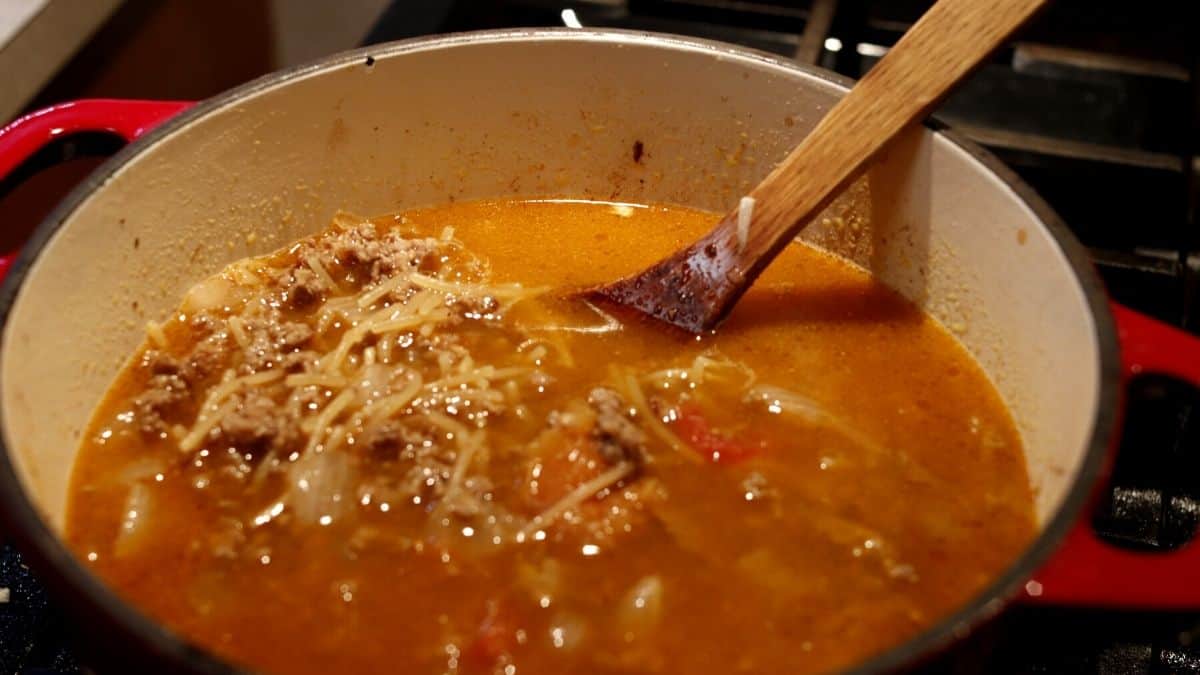
Mexican fideo basics
Traditional fideos start with toasting the fideo noodles in olive oil or vegetable oil. Also the noodles are cooked in the soup broth with the meat and vegetables, they aren’t cooked separately in water, drained and then added to the soup like noodles often are.
Broths – Chicken broth is usually used but you can use chicken bouillon and water. For a vegan dish, use vegetable broth.
Meats – Meat isn’t always used in fideo but if it is used, it’s usually chicken or ground beef.
Tomato mixture – Usually tomato sauce is used to make a tomato-based broth, but you can use tomato paste that has been thinned or powdered tomato bullion to make tomato broth.
Add-ins and garnishes – Usually fideo has onion added to it. For a spicy fideo you can add chopped jalapeno, chipotle peppers, cayenne pepper powder or pepper flakes. Salt, black pepper, garlic, and cumin are common spices in fideo. Use fresh cilantro, chopped fresh tomatoes, queso fresco, a squeeze of lime juice or avocado slices to garnish.
Variations of Sopa de Fideo
As I mentioned earlier, there are tons of ways to make Mexican fideo. I make fideo con carne that is drier than a soup because that’s how my stepmom and my Hispanic neighbor made it.
That being said, fideo can be made as a soup (sopa) or more dry (seca). Fideo can be brothy soups, casseroles, or something in between.
You can make it with chicken, ground beef or without any meat. And this is one of the things I love most about Mexican fideo – you can use whatever pantry staples you happen to have to make a comforting, delicious meal.
Tips for Making Fideo at Home
Whether you’re making it for the first time or the hundredth, a few things make the difference between good fideo and great fideo:
Toast the noodles properly. This is the most important step. Add dry fideo noodles to a little oil in a hot pan and stir constantly until they turn a deep golden brown, not just lightly tan. The darker the toast (without burning), the more nutty flavor you’ll get in the finished dish. Most recipes say 2–3 minutes but use your eyes, not the clock.
Use the right liquid ratio. Fideo absorbs liquid as it cooks, and the ratio of noodles to broth determines whether you end up with soup (sopa) or a drier dish (seca). For soup, use more broth. For seca, use less and let the noodles absorb almost all of it.
Don’t stir once the liquid is added. Once the broth goes in, resist the urge to stir. Let the noodles cook undisturbed so they can absorb the liquid evenly and develop a slight crust on the bottom – that’s a good thing in fideo seca.
Season the broth, not just the meat. The broth is where most of fideo’s flavor lives. Taste it before adding the noodles and adjust salt, cumin, and garlic until it’s seasoned well. The noodles absorb that flavor as they cook.
Find fideo in the international aisle. Look for it near the Mexican ingredients, usually shelved near rice and dried beans. If your store doesn’t carry it, vermicelli or angel hair pasta broken into 1-inch pieces is a fine substitute.
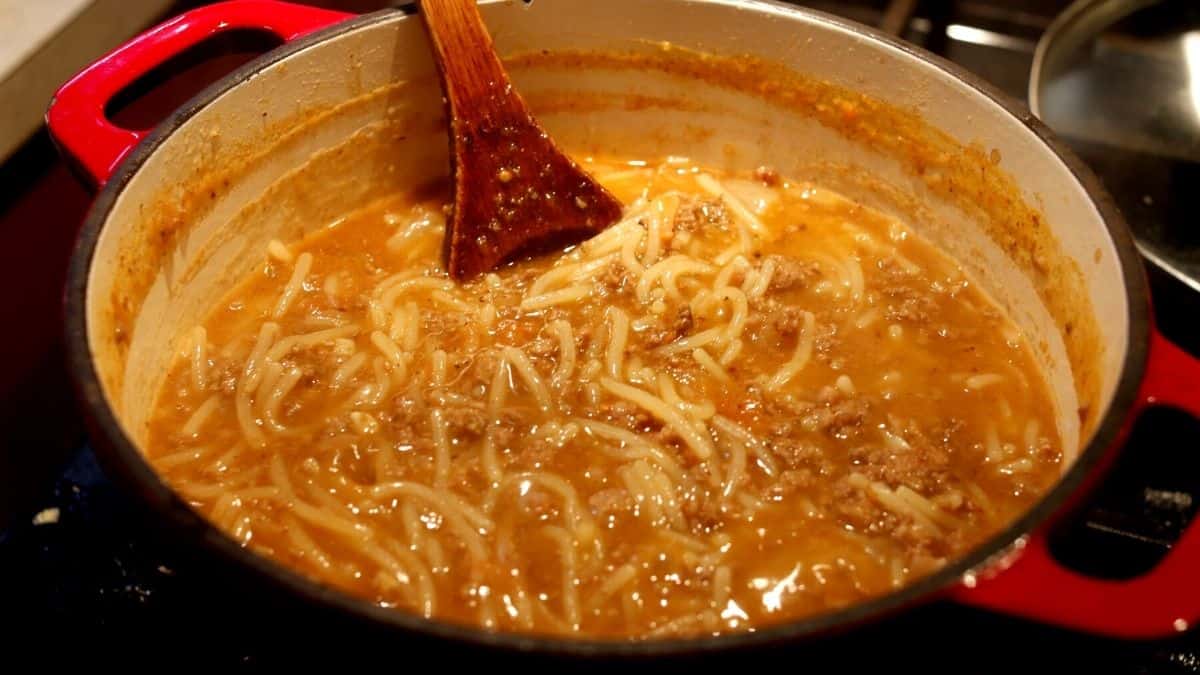
Fideo Sopa vs. Fideo Seca – What’s the Difference?
Fideo comes in two main styles and understanding the difference helps you pick the right recipe for what you’re in the mood for:
Sopa de fideo (fideo soup) is the brothier version – more liquid, closer in texture to a noodle soup. The noodles are still cooked in the broth rather than separately, but there’s enough liquid left at the end to eat it with a spoon. It’s lighter and works well as a first course or a side dish.
Fideo seco (dry fideo) uses much less liquid. The noodles absorb almost all of the broth as they cook and the dish ends up closer to a casserole or a dry pasta dish (almost like Mexican rice) – you eat it with a fork, not a spoon. This is how my stepmom made it and how I usually make it. It’s heartier and works better as a main dish if you add meat to it.
Both start with the same toasting technique and the same basic ingredients. The only real difference is the amount of liquid you add and how long you cook it.
Mexican Fideo Recipes
Fideo is an inexpensive pasta that is used in Spanish and Mexican dishes. Try these Mexican Fideo Recipes next time you need a tasty main course or side dish.

Fideo con Carne
Fideo means "noodles" and this fideo with ground beef recipe is a frugal and tasty Mexican one-pot main dish.

How to Make Sopa de Fideo (Fideo Soup)
This savory soup is similar to chicken noodle soup but made with a tomato sauce broth and Mexican spices.

Fideo Seco
This simple side dish uses fideo pasta and vegetable broth to pack tons of flavor in this frugal dish.

Fideo con Papas
This soup is super frugal, filling and tasty with the addition of potatoes.

Sopa de Fideo (Mexican Noodle Soup)
This simple fideo soup with tomato based broth is comfort food at it's best. Just what you need on a chilly night!

Sopa de Pollo con Fideos
This fideo is a hearty chicken soup that is perfect as a one pot meal.

How to Make Sopa de Fideo
This is one of the easiest soups to make and super flavorful with a tomato base and golden brown noodles.

Vegan Sopa Seca de Fideo
This fideo is more of a casserole than a soup. Perfect for a side dish or pot luck dish. Because this recipe uses vegetable stock it's a perfect vegan version of fideo seca.

Instant Pot Sopa de Fideo
If using an instant pot is your thing, you're going to love this adaptation of traditional sopa de fideo for the instant pot.

Sopa de Fideo with Leftover Turkey
This fideo is a great way to use up leftover turkey (or chicken).

Mexican Alphabet Soup (Sopa De Letras)
Trade out the traditional thin noodles that usually made fideo with small alphabet noodles for a fun twist.

Sopa De Fideo Recipe - Mexican Noodle Soup
This is a filling and savory soup with a robust flavor that cooks up in minutes, making it an easy choice for weeknight dinners or as a quick make ahead meal on a Sunday afternoon.
Frequently Asked Questions
Fideo is a short, thin pasta similar to vermicelli that’s used in Mexican and Spanish cooking. In Mexican cuisine it’s almost always toasted in oil before cooking, which gives it a nutty flavor that sets it apart from other pasta dishes. The dish itself is made with fideo noodles, tomato-based broth, and usually some combination of meat, onion, garlic, and spices.
They’re very similar – fideo is essentially the Mexican version of vermicelli, and the two can be used interchangeably. The main difference is that fideo is typically sold in short pieces (about 1-inch) already cut, while vermicelli is sold in long strands that you break yourself. If you can’t find fideo, break vermicelli or angel hair pasta into 1-inch pieces and use it exactly the same way.
Fideo simply means “noodle” in Spanish. In most Spanish-speaking countries it’s a general term for any noodle or pasta. In Mexican cooking specifically, it almost always refers to the short, thin toasted pasta used to make sopa de fideo and related dishes.
Sopa de fideo is a brothy noodle soup – enough liquid to eat with a spoon. Fideo seco (dry fideo) uses much less liquid and the noodles absorb almost all of it during cooking, resulting in a drier, casserole-like dish you eat with a fork. Both start the same way with toasted noodles and tomato broth; the difference is just the liquid ratio and cooking time.
Yes – break vermicelli or angel hair pasta into 1-inch pieces and use them exactly the same way. The flavor and texture will be nearly identical since fideo and vermicelli are essentially the same pasta. You can also use other small Mexican pastas like alphabet, stars, or small shells, which is especially fun for kids.
The key is not overcooking it. Fideo continues to absorb liquid even after you remove it from the heat, so pull it off the stove when it still has just a little bite to it. Also, don’t stir it too much once the liquid is added – constant stirring breaks down the noodles and makes them mushy faster.
Not quite, but the comparison is fair – both are one-pot pasta dishes with meat and a seasoned sauce that come together quickly. The difference is that fideo uses a tomato and broth base with Mexican spices, and the noodles are toasted first, which gives it a depth of flavor that Hamburger Helper doesn’t have. It’s also significantly cheaper to make from scratch.

Angi Schneider is the author of The Ultimate Guide to Preserving Vegetables and Pressure Canning for Beginners and Beyond, both published by Page Street Publishing. She has taught canning classes for 177 Milk Street, been featured in Serious Eats, and written for Countryside Magazine. Angi has been sharing gardening, preserving, and simple living skills since 2010.