


There are many ways to save money at the grocery store, but I truly believe this is the budget category we have the most control over. Unlike fixed expenses like housing or insurance, grocery spending can be adjusted week by week with small, intentional choices.
Most people already know the basics — buying items on sale and meal planning matter. But those are just the starting point. Saving money on groceries isn’t about one big trick that magically fixes your budget. It’s about a series of small habits that add up over time.
Here are some of the most effective, realistic ways I’ve found to save money at the grocery store.

Be Willing to Go Without (Sometimes)
Probably the most important thing you can do to save money on groceries is to be okay with going without at times.
We live in a culture that encourages having whatever we want, whenever we want it. For most of human history, only the very wealthy lived that way — and it’s not a requirement for a good life now, either.
It’s okay if you run out of milk for a couple of days.
It’s okay if your favorite drinks aren’t in the fridge every single week.
Learning to do without — even temporarily — will save you more money over time than almost any coupon or sale ever will.
Know What Food Actually Costs
The second most important habit is knowing what food really costs.
Keep a simple price record (a notebook or notes app works fine) of the items you buy regularly. This helps you:
- Compare prices between stores (if you shop more than one)
- Know when a sale is actually a good deal
- Avoid buying something just because it has a “sale” sign
When you know your baseline prices, you shop with confidence instead of reacting to marketing.

Set a Reasonable Grocery Budget (and Don’t Spend All of It)
Every family’s grocery budget will look different. The goal isn’t to set an unrealistically low number — it’s to choose an amount that requires intention without constant stress.
A strategy that works well for us is aiming to spend only 90% of our grocery budget each month. The remaining 10% gets set aside (separately) for irregular food expenses like:
- Holiday baking
- Hosting guests
- Stocking up on a great sale
This creates flexibility without blowing the budget.
Remember You’re Trading Time for Food
When you work, you trade time for money. When you spend that money, you’re trading the time you already worked for whatever you’re buying.
I find it helpful to ask myself questions like:
- Is this item worth an hour of my time?
- Would I rather make this at home and keep that money?
Sometimes the answer is yes, it is worth an hour of my time — convenience can be worth it occasionally. But asking the question helps turn impulse buys into intentional choices.
Focus on How Much You Spend, Not How Much You “Save”
If you buy something for $5 that normally costs $8, you didn’t really save $3 — you spent $5.
If it’s something you would buy anyway, paying less is great. But if it’s something you wouldn’t normally purchase, you didn’t save money — you just spent less for something unnecessary.
This mindset shift alone can drastically reduce grocery spending.
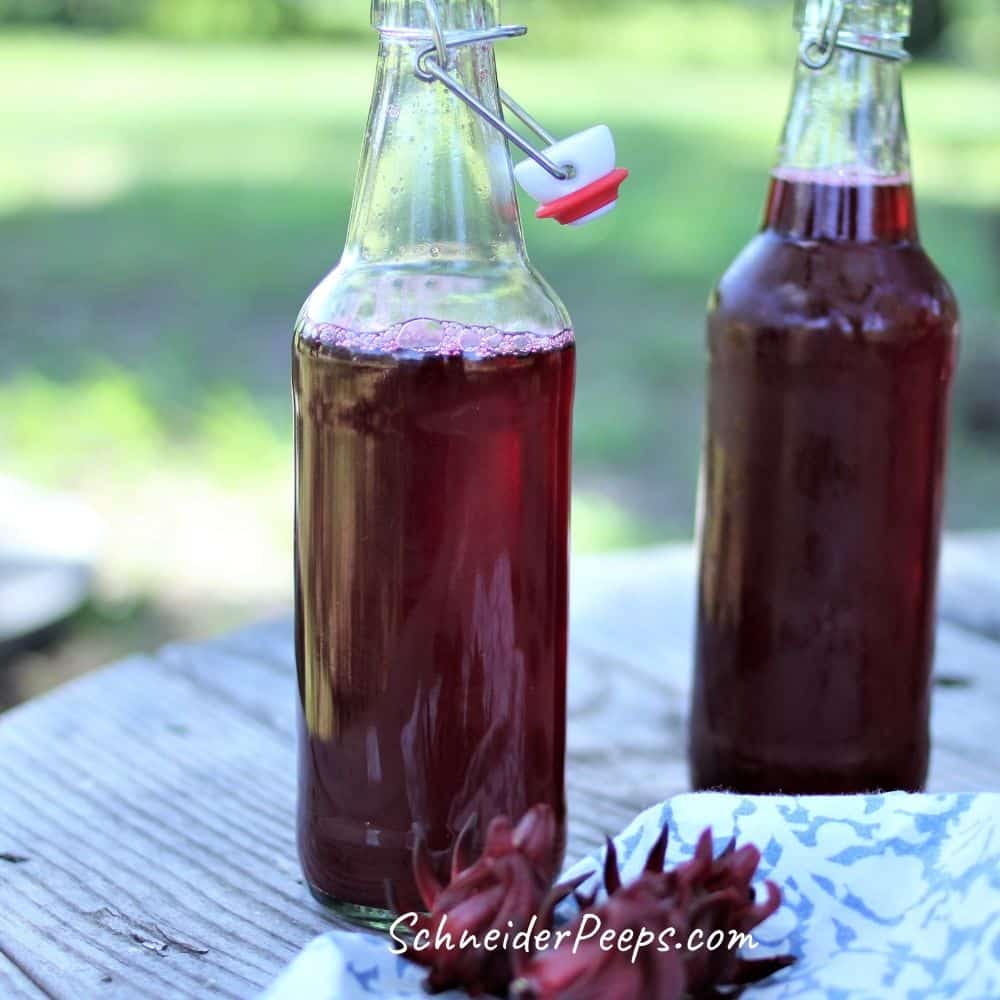
Drink Water (Not Bottled Drinks)
Drinks are some of the easiest places to overspend at the grocery store.
- Use a pitcher filter or under-sink filter instead of bottled water
- If bottled water is necessary, buy gallon jugs — not individual bottles
Those small drink purchases add up quickly.
Make Homemade Drinks Instead
You can make a gallon of iced tea for under $1. Buying a gallon at the store often costs $4–6.
If you enjoy fizzy drinks, something like a DrinkMate can be a good long-term investment. Add lemon or lime juice for flavor. Or make a homemade fruit or herb syrup. It won’t replace soda entirely, but it makes occasional soda feel like a treat instead of a habit.
Stop Paying for Convenience
Convenience foods should be the exception, not the rule.
- Pre-cut fruit often costs 3–5 times more than whole fruit
- Individual snack packs cost far more than bulk options
As a general rule, anything packaged in individual portions costs more than buying it whole and dividing it yourself.
Buy Produce In Season
Seasonal produce is almost always cheaper.
A watermelon in June costs far less than one in winter — even in warm climates. Eating with the seasons not only saves money, it usually means better flavor, too.
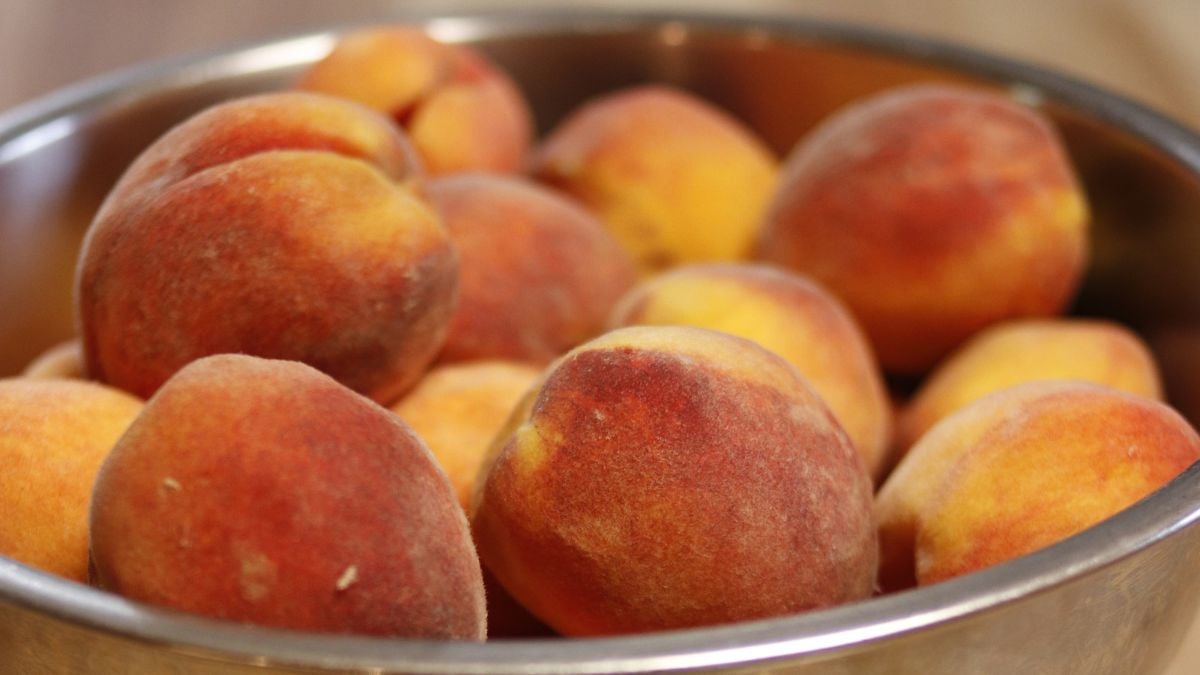
Buy extra in-season produce and preserve it for later. We do this each year for peaches and other produce.
Buy Large and Divide at Home
Buying in bulk can save a significant amount of money when done intentionally.
For example:
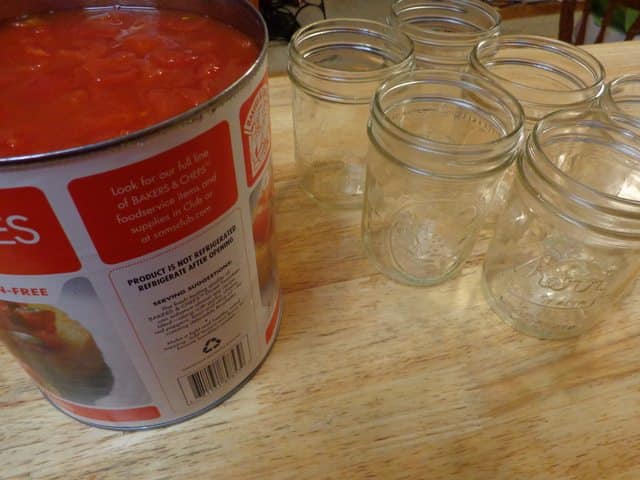
- A #10 can of diced tomatoes (102 oz) costs under $5
- A single 14.5 oz can costs around $0.96
That’s essentially two free cans when buying the larger size.
When I open a large can, I portion what we need for the meal, then divide the rest into wide-mouth pint jars. I refrigerate them overnight and move them to the freezer the next day. (Freezing in glass works well when done correctly.)
Keep a “Tomato” Container in the Freezer
I keep a dedicated container in the freezer for leftover tomato products.
A spoonful of pizza sauce? It goes in.
Extra chopped tomatoes from tacos? In they go.
Once the container is full, I use it for pasta sauce with ground beef or as a base for soup. Small leftovers add up.
Cook From Scratch
Prepared food will always be more expensive than food you make at home. While canned beans are inexpensive, dried beans are super cheap. You can make a big patch and freeze them or can them with a pressure canner.
Cooking from scratch can seem intimidating at first but just pick one prepared item you normally buy and learn to make it from scratch. Once you master that, move on to the next.
Use Bacon as a Garnish
Instead of serving full strips of bacon, fry smaller amounts and mix them into dishes like eggs or potatoes.
Keeping bacon in the freezer makes it easy to cut off just what you need. You get the flavor without the cost of using more than necessary.
Save the Grease
Most people save bacon grease, but you can also save:
- Chicken fat (schmaltz)
- Beef fat
- Pork fat
Scrape cooled fat from cooked meat or broth, rinse it in cold water, and store it in a jar. Properly rendered fat lasts a long time and adds incredible flavor to cooking.
Stock Up on Sales (Strategically)
Stock up on staples, not random processed foods.
Items like eggs, flour, sugar, and butter go on sale regularly. When they do, buy extra — and preserve them properly if needed. (Freezing eggs works very well.)

Grow Fresh Herbs
A potted herb plant often costs the same as a single package of fresh herbs. And herbs are some of the easiest plants to grow.
As it grows, you can:
- Cut fresh herbs as needed
- Dry or dehydrate the rest for later
Even replacing the plant once a year is far cheaper than buying herbs weekly.
Make Your Own Condiments and Spice Mixes
Quality condiments and spice blends are expensive — and easy to make at home.
Simple pantry ingredients can replace most store-bought dressings and mixes. Over time, this saves a surprising amount of money. For delicious spice mixes check out Rootsy’s Mixes in a Jar.
Use the Grocery Store Instead of Fast Food
When dinner plans fall apart, a rotisserie chicken and boxed salad are almost always cheaper than fast food for a family — and usually healthier.
It’s not perfect, but it’s a good fallback option.

Manage Leftovers Intentionally
Don’t throw food away. On average, Americans throw away 25% of the food they buy, that’s a lot of money going to the landfill.
- Turn leftovers into soup
- Eat them for lunch
- Have a weekly “leftover buffet”
- Freeze portions for later
Just make sure frozen leftovers are labeled and actually used.
Use the Freezer (But Don’t Forget What’s in It)
If food is close to going bad, freeze it. Most things can be frozen (even if they aren’t normally frozen)
The freezer is one of the best tools for saving money — just don’t let it become a graveyard of forgotten food. Keep it organized and rotate items regularly.
Grow Food at Home
You don’t need a lot of time or space to grow food at home. If you don’t have any outdoor space, grow a small indoor garden or microgreens.
If you have a little more space grow a couple of tomato plants or zucchini plants – which are easy to grow and produce a lot.
Use the Least Amount Necessary
A trick my Granny taught me was to always use the least amount needed. If a recipe calls for a cup of sugar, try it with a little less, I bet it will still turn out great.
Be mindful of pourable items such as salad dressings, oils, and syrups – it’s easy to overpour.
This rule is good for non-food items too, like dish soap, shampoo, liquid makeup, etc.
Final Thoughts
Saving money at the grocery store is doable, and it doesn’t mean that we have to eat beans and rice for every meal (although, there’s nothing wrong with that.) It means that we have to be intentional about what is most important.

Angi Schneider is the author of The Ultimate Guide to Preserving Vegetables and Pressure Canning for Beginners and Beyond, both published by Page Street Publishing. She has taught canning classes for 177 Milk Street, been featured in Serious Eats, and written for Countryside Magazine. Angi has been sharing gardening, preserving, and simple living skills since 2010.
Great tips! I wish my family would like beans, but my kids would not even touch them. Love the tip with canned tomato products in bulk, thank you!
What a bummer about the beans. We have things that I like that no one else in my family likes – pickles for one – I joke that my husband brainwashed them. 😉
beans can be hidden who says you have to leave them whole?… that’s what blenders are for after all a smoothie doesn’t look like the fruit it is… so blend the beans up and add then… i put them in everything i just don’t tell anyone… to hide them really good make sure the color is a good match…. black beans can go into a darker sauce.. or chopped fine in the blender to mix into your taco meats,..burrito.. so on….and light color beans can be creamed in to a sauce,or chopped fine into a soup
how old are your kids? when my oldest (now 13) was little, I got him to eat them by calling them “fart beans”…. this did the trick.. LOL BOYS!! I only have to do it a little for my now 3 year old.. he’s a pretty good eater, but on occasion, it’s all he needs for a little convincing.. 😉
I LOVE the canned tomato idea. I am totally doing that! And I love cooking up beans and using them throughout the week and having them in the freezer. It saves a ton over canned beans and they can stretch a lot of meals with a few pennies of ingredients. 🙂 Great article!
One idea I use is taking extra herbs at this time of year and chopping them and placing them in ice cube trays. Add olive oil and freeze them. Then pop them out into a freezer bag. Over the winter when there are no fresh herbs outside, you can pop one in a pan to start a recipe instead of plain olive oil. Easy peasy! 🙂
I also cook up a pan of rice or barley at the beginning of the week and I use it all week to stretch recipies or make side dishes. Great money saver. 🙂
Great ideas! I usually just dehydrate our herbs but I bet they would taste better frozen in olive oil. I’ll have to try the rice trick. We really love rice.
Great tips! Am going to see what is in our area for canned tomatoes, that is a great idea and who knew about using canning jars on blenders? OMG! 🙂 Thank you!
I know! I was so excited when our blender fit the jars. By the way, your site is beautiful! What an amazing ministry that is.
That is so kind of you! Thank you!
I make and season double batches of taco filling (whatever meat I’m making) Freeze half of it. Then you can whip up taxis, nacho etc. When I make hamburgers I always portion 2 extra patties, freeze them separate. When we have company I can grill burgers, without much effort or expense. I save the extra pork chop, chicken leg etc, the we occasionally have “clean the freezer” Stir -fry
Oh, I like the extra hamburger patties idea. I wonder if I can keep my teenage boys from cooking them when I’m not looking? 😉
If your kids are like mine you can put them in the back of the freezer. Mine tend to eat what is easily found lol
Since I don’t have a lot of freezer space, I use plastic freezer storage bags so I can lay them flat to freeze, saves a ton of room and allows me to freeze a variety of items that save me time during the week. Plus, when I am cooking for a large group (church), I can prepare a lot of the food in advance and just put it together on the day of the feed!
I still like glass jars for some things, especially if I am freezing for a longer period. like chicken, beef or turkey juice for future soup or dumplings. Freezer bags are more for short term storage.
That’s a good idea, Janette. Freezer bags do take up much less room than jars. Thanks so much for sharing.
These are great ideas. I would have never thought of using canning jars with the blender I didn’t even know they would fit. We usually buy in bulk especially if it’s something we know we are definitely going to eat and freeze it especially chicken and fish.
Bulk is always a great way to save money. Thanks for sharing.
I always fry up my ground beef and freeze it already cooked as it is usually the biggest mess maker as well as time killer in ground beef recipes. Sometimes I even add onion as I usually like beef and onion in most of my recipes. I can make spaghetti sauce, chili, tacos, beefy noodles, Beef mac & cheese, burritos all in so much less time.
That is a great tip. I do that too and it is such a great time saver. Thanks for sharing.
Fantastic tips…especially the rotisserie chicken idea! 😉 I’m definitely going to have to try the mason jar on the blender trick! That is so cool!
You should try it! It is life changing, I promise. 😉
I have seen those big cans of sauce and paste and thought that I could never use that much, even if it is a great price! Thanks for the great tip on freezing it!
We always butcher a steer in the summer, so my freezer space is very limited. I know it takes longer to pressure can beans than to just freeze them, but if you do a full canner (and you can mix and match varieties), you won’t have to do it so often. (I just rinse them, put 1 cup dried beans per quart, add salt, boiling water to the top, and can for 90 minutes. They always turn out great!) And I read all the time about ppl who buy the gallon cans of tomatoes, ketchup, salsa, etc. and re-can the ingredients. I say all this because that is the best option for me, and it just might be that someone else out there also has freezer space limitations.
Those are great ideas when you have limited freezer space, Michelle. I do can our black beans, red beans, chickpeas and navy beans and you are right is it super easy. Thanks for sharing!
Make big pots of soup or spaghetti sauce and freeze leftovers.
One thing that has been a tasty time and money saver for us, has been to buy chicken breasts or thighs in bulk (when they are on sale, of course).. then at home we separate them into 2 breasts per ziplock bags (nothing unusual so far..) but THEN we add about !/2 cup of marinade to each bag before sealing and freezing.
This means packs of two breasts take less time to defrost and when they do, they are already flavored to our liking, so a tasty meal is mere minutes away.
In addition when the weather is hot, we avoid having the oven on, so I cut the breasts into bite size chunks and stir fry them with the veg of our choice or just cook solo and serve with salad (otherwise we would bake the breast whole with potatoes and roasted veg).
THAT is a great idea, Teresa! Thanks so much for sharing.
This is going to sound like a very stupid question, and I apologize in advance, but if you put a wide mouth jar upside down on your blender, how do take it off without spilling the contents. Do you turn the blender upside down and twist it off?
Hi Judy, there are no stupid questions! You take the jar with the blades attached off the blender, just like you would take the blending carafe off. But instead of the blades being on the bottom and a lid on the top that you remove to pour out your goodies, you turn the jar over so that the blade component is on top and then twist it off. Hope that makes sense?